When it comes to maintaining a clean and hygienic bathroom, one area that often gets overlooked is the shower tiles. Over time, dirt, grime, and mold can build up, making your shower look unsightly and potentially harboring harmful bacteria. This is where professional Shower Tile Cleaning services come in, and no one does it better than Precision Tile & Grout Cleaning.
Did you know that according to a study by the National Sanitation Foundation, the average shower harbors more germs and bacteria than a toilet seat? This alarming statistic highlights the importance of regularly cleaning and sanitizing your shower tiles to ensure a healthy living environment for you and your family.
At Precision Tile & Grout Cleaning, we understand the significance of keeping your shower tiles sparkling clean and germ-free. Our team of experienced technicians uses the latest techniques and eco-friendly products to deep clean and sanitize your shower tiles, leaving them looking like new.
But why choose Precision Tile & Grout Cleaning over other options? Well, our attention to detail, commitment to customer satisfaction, and affordable prices set us apart from the competition. Don't just take our word for it – our satisfied customers rave about our exceptional service and results.
So, if you want to transform your shower from grimy to gorgeous, look no further than Precision Tile & Grout Cleaning. Let us take care of your Shower Tile Cleaning needs so you can enjoy a clean and healthy bathroom environment.
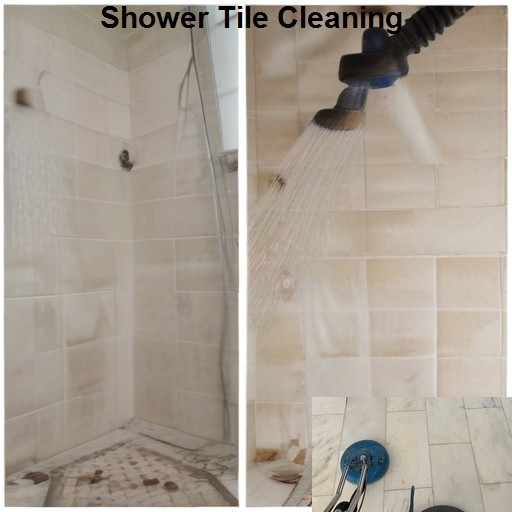
Shower tile cleaning is an essential aspect of maintaining a clean and hygienic bathroom environment. Over time, soap scum, mold, and mildew can build up on shower tiles, leading to not only an unsightly appearance but also potential health hazards. Understanding the basics of shower tile cleaning can help homeowners effectively tackle this task.
Regular cleaning and maintenance are key to preserving the beauty and longevity of shower tiles. Using a combination of mild cleaners, scrubbing tools, and proper techniques can ensure that tiles remain free of grime and bacteria. Grout cleaning is also crucial, as it tends to trap dirt and moisture, leading to discoloration and mold growth if not addressed promptly.
Professional tile cleaning services can provide a deep and thorough clean, reaching areas that may be challenging for homeowners to access. By investing in professional cleaning periodically, homeowners can extend the life of their shower tiles and enjoy a fresh and sparkling bathroom space.
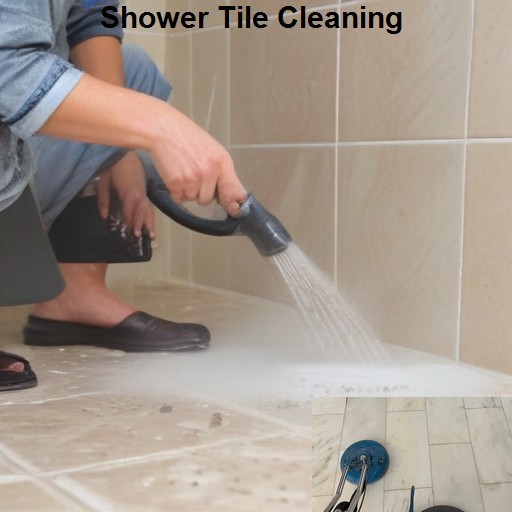
Regular cleaning of shower tile is essential to maintain not only the appearance but also the health of your bathroom. Over time, soap scum, mold, and mildew can accumulate on tiles, leading to a less appealing look and potentially harmful conditions. Mold and mildew, if left unchecked, can exacerbate allergies and respiratory issues. Moreover, a buildup of grime can make your tiles slippery, increasing the risk of accidents.
By incorporating a routine cleaning schedule for your shower tiles, you not only preserve the aesthetic appeal of your bathroom but also ensure a hygienic environment. Utilizing appropriate cleaning products and techniques can help prevent the growth of mold and mildew, thus safeguarding your family's health. Regular maintenance also extends the lifespan of your tiles, saving you money in the long run. So, make shower tile cleaning a priority to enjoy a clean, safe, and beautiful bathroom space.
When it comes to shower tile cleaning, understanding the different types of shower tiles is crucial for effective cleaning. Porcelain, ceramic, natural stone, and glass tiles are common materials used in showers, each requiring specific cleaning methods to maintain their appearance and durability. Porcelain and ceramic tiles are durable and easy to clean, usually requiring mild detergent and water. Natural stone tiles like marble or granite are more porous and need specialized cleaners to prevent damage. Glass tiles, while beautiful, can be prone to streaking if not cleaned properly. Identifying the type of tile in your shower can help determine the best cleaning approach to keep them looking their best. Consulting with our professionals can ensure that your shower tiles are cleaned effectively without causing any damage.
Shower tile cleaning is an essential task to maintain a clean and hygienic bathroom environment. One of the key steps in shower tile cleaning is regular maintenance to prevent the buildup of soap scum, mold, and mildew. By cleaning your shower tiles regularly, you can prolong their lifespan and keep them looking fresh.
Another important step in shower tile cleaning is choosing the right cleaning products. Different types of tiles require specific cleaning solutions to avoid damage. It's crucial to test any new cleaning product on a small, inconspicuous area before applying it to the entire surface.
Additionally, proper scrubbing techniques play a significant role in effective shower tile cleaning. Using a non-abrasive brush or sponge can help remove dirt and grime without scratching the tiles. For stubborn stains, a mixture of baking soda and water can be a natural and effective cleaning solution.
In conclusion, understanding the key steps in shower tile cleaning is essential for maintaining a sparkling and germ-free bathroom. Regular maintenance, suitable cleaning products, and proper scrubbing techniques are all crucial elements in achieving a clean and inviting shower space.
When it comes to shower tile cleaning, using the proper tools and products is essential for achieving a thorough and effective clean. Our team knows the importance of using the right equipment to tackle tough stains and grime that can accumulate on shower tiles over time. From scrub brushes and grout brushes to microfiber cloths and squeegees, having the right tools can make a significant difference in the cleaning process.
In addition to tools, using the correct cleaning products is key to ensuring that shower tiles are not only clean but also well-maintained. Our professionals recommend using mild, non-abrasive cleaners that are suitable for the specific type of tile in your shower. Harsh chemicals can damage the tiles and grout, leading to costly repairs down the line. By using the right products, you can effectively clean your shower tiles without causing any harm to the surfaces.
When it comes to keeping your shower tiles clean, dealing with grime and mildew can be a common challenge. Grime buildup on shower tiles not only looks unsightly but can also harbor bacteria and mold if left unchecked. To effectively tackle grime and mildew, it's essential to use the right techniques and products.
One effective technique for removing grime from shower tiles is to create a cleaning solution using equal parts white vinegar and water. This natural solution can help break down grime and soap scum without harsh chemicals. For tougher grime and mildew stains, a paste made of baking soda and water can be applied to the affected areas and scrubbed gently with a brush.
Regular maintenance is key to preventing grime and mildew buildup in the first place. Ensuring proper ventilation in the bathroom, wiping down tiles after each shower, and using a squeegee to remove excess water can all help keep your shower tiles clean and free of grime and mildew.
After investing in a professional shower tile cleaning service, it's crucial to maintain the cleanliness and appearance of your shower tiles. Regular maintenance not only prolongs the lifespan of your tiles but also keeps your shower looking fresh and inviting. One effective way to maintain your shower tiles post-cleaning is to wipe them down after each use to prevent soap scum and grime buildup. Using a squeegee or a microfiber cloth can help in this process.
In addition to daily wiping, it's important to deep clean your shower tiles periodically to prevent mold and mildew growth. A mixture of water and vinegar or a mild detergent can be used to scrub the tiles and grout. Furthermore, sealing your grout lines every year can help protect them from moisture and stains, ensuring a longer-lasting finish. By incorporating these simple maintenance practices into your routine, you can enjoy a sparkling clean shower for years to come.
Regular maintenance of your shower tiles is essential to keep them looking clean and fresh. Mold, mildew, and soap scum can easily build up on tiles, making them look dingy and unattractive. To prevent this, it's important to clean your shower tiles regularly. One effective tip is to wipe down your tiles with a squeegee after each shower to prevent water stains and mineral deposits from forming. Additionally, using a mild cleaning solution and a soft brush can help remove any buildup on the tiles.
Another important aspect of shower tile maintenance is sealing the grout. Grout is porous and can easily absorb moisture, leading to mold and mildew growth. Sealing the grout can help protect it from water damage and make it easier to clean. Our team recommends resealing the grout at least once a year to maintain its integrity and prevent discoloration. By following these simple tips for regular shower tile maintenance, you can keep your shower looking clean and inviting for years to come.
Shower tiles are a popular choice for bathrooms due to their durability and aesthetic appeal, but they are also prone to mold and mildew buildup. Preventing mold and mildew on shower tiles is crucial not just for maintaining a clean appearance but also for health reasons. Mold and mildew can exacerbate respiratory issues and allergies, making regular cleaning essential.
To prevent mold and mildew, it's important to keep the shower area well-ventilated to reduce moisture buildup. Using a squeegee to remove excess water from tiles after each use can also help prevent mold growth. Additionally, using a pH-neutral cleaner specifically designed for tiles can effectively remove soap scum and inhibit mold and mildew growth.
Regular maintenance and cleaning can go a long way in preventing mold and mildew buildup on shower tiles. If the problem persists, it's advisable to seek professional help to ensure a thorough and effective cleaning process.

